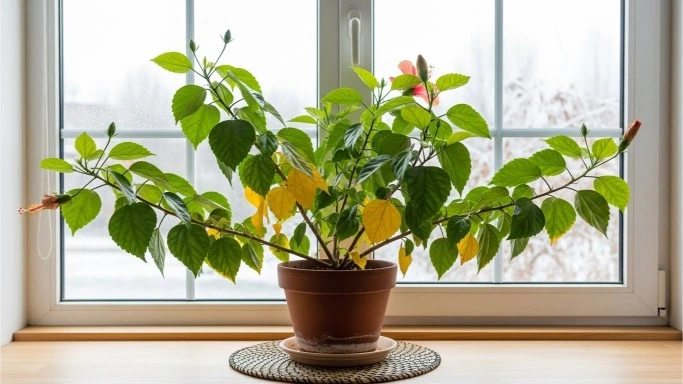
Can hibiscus plants survive the winter
Hibiscus plants are known for their bold flowers, tropical feel, and vibrant colors. When you see one blooming, it’s easy to associate it with sunshine, warmth, and summer air. That’s why many plant owners panic when winter approaches.
A very common question comes up every year:
Can hibiscus plants survive the winter?
The short answer is: yes — but it depends on the type of hibiscus and how you care for it.
Some hibiscus plants can survive freezing temperatures. Others need protection or must be brought indoors. If you understand which type you have and what it needs during cold months, your hibiscus can make it through winter and come back strong in spring.
This guide explains everything clearly and simply, so you know exactly what to do — without stress or confusion.
Understanding Hibiscus Types (This Step Is Critical)
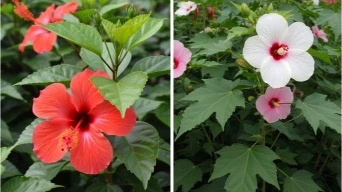
Before you decide how to protect your hibiscus, you must know what kind of hibiscus you have. Winter survival depends heavily on this.
There are two main types of hibiscus grown in homes and gardens.
Tropical Hibiscus (Hibiscus rosa-sinensis)
This is the most common hibiscus sold in garden centers and grocery stores.
Key traits:
- Large, glossy leaves
- Bright red, pink, yellow, or orange flowers
- Grown as patio plants or houseplants
- Not frost tolerant
Tropical hibiscus cannot survive freezing temperatures outdoors.
If temperatures drop below 50°F (10°C), these plants begin to suffer.
Hardy Hibiscus (Hibiscus moscheutos & Hibiscus syriacus)
Hardy hibiscus varieties are much tougher.
Key traits:
- Can survive winter outdoors
- Die back to the ground in winter
- Regrow in spring
- Large dinner-plate flowers (some varieties)
Hardy hibiscus can survive cold winters down to USDA Zone 4–5, depending on variety.
Can Hibiscus Plants Survive Winter Outdoors?
Tropical Hibiscus Outdoors in Winter
❌ No — not without protection.
If left outside during frost:
- Leaves drop quickly
- Stems suffer cold damage
- Roots can die
Tropical hibiscus must be brought indoors or kept in a heated environment.
Hardy Hibiscus Outdoors in Winter
✅ Yes — with minimal care.
Hardy hibiscus:
- Goes dormant
- Loses leaves
- Looks “dead” above ground
This is normal. The roots remain alive underground.
University of Minnesota Extension confirms hardy hibiscus survives winter dormancy
How to Help Tropical Hibiscus Survive Winter Indoors
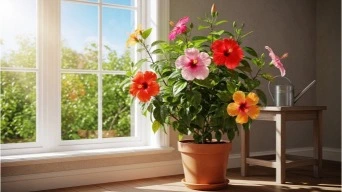
If you have a tropical hibiscus, indoor care is the key to winter survival.
When to Bring Tropical Hibiscus Indoors
Bring it inside when:
- Night temperatures fall below 55°F (13°C)
- Frost is forecast
Do not wait for visible damage. Cold stress happens quickly.
How to Care for Hardy Hibiscus During Winter
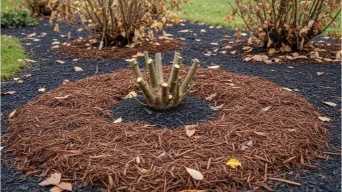
Hardy hibiscus needs far less attention.
Fall Preparation for Hardy Hibiscus
After the first frost:
- Leaves turn yellow and fall
- Stems die back naturally
You can:
- Leave stems for winter protection
- Or cut back to 6–12 inches
Both methods work.
Mulching for Winter Protection
Add a layer of mulch around the base:
- Straw
- Leaves
- Bark mulch
Mulch protects roots from freeze-thaw cycles.
When Does Hardy Hibiscus Come Back?
Hardy hibiscus is slow to wake up.
Many gardeners think it’s dead — but it’s not.
New growth often appears:
- Late spring
- When soil warms consistently
Patience is important.
Best Indoor Location for Winter Hibiscus
Hibiscus needs bright light, even in winter.
Best spots:
- Near a south- or west-facing window
- Bright room with filtered sunlight
Avoid:
- Cold windows
- Drafty doors
- Heating vents
Hibiscus may drop some leaves as it adjusts. This is normal.
Watering Hibiscus in Winter (Less Is More)
Growth slows during winter, so watering must change.
Winter watering rules:
- Water only when the top inch of soil feels dry
- Never let the pot sit in water
- Use room-temperature water
Overwatering is the #1 reason indoor hibiscus struggles.
Should You Fertilize Hibiscus in Winter?
No.
During winter:
- Do not fertilize
- Allow the plant to rest
Resume feeding in early spring when new growth appears.
Why Hibiscus Drops Leaves in Winter
Leaf drop is common and often harmless.
Possible reasons:
- Reduced light
- Temperature change
- Indoor dryness
- Stress from moving indoors
As long as stems remain green and firm, the plant is alive.
Can Hibiscus Survive Winter in Pots?
Yes — but with extra care.
Tropical hibiscus in pots:
- Bring indoors
- Treat as houseplant
Hardy hibiscus in pots:
- Move pots to protected areas
- Insulate containers
- Or overwinter in unheated garages
Roots in pots freeze faster than roots in the ground.
Common Winter Hibiscus Problems (And Solutions)
Yellow Leaves Indoors
Usually from overwatering or low light.
No Blooms in Winter
Normal. Hibiscus blooms slow or stop during winter.
Bare Stems
Dormancy or adjustment stress.
Plant Looks Dead Outdoors
Hardy hibiscus often looks lifeless until late spring.
Does Hibiscus Need Pruning Before Winter?
Tropical hibiscus:
- Light pruning is okay
- Avoid heavy pruning in winter
Hardy hibiscus:
- Cut back in late fall or early spring
Pruning encourages stronger growth later.
Why Hibiscus Is Worth Protecting Through Winter
Hibiscus plants:
- Live for many years
- Bloom more each season
- Become stronger with time
At LovedPlants.com, we believe plants are long-term companions, not seasonal decorations. With the right winter care, hibiscus rewards patience with stunning blooms year after year.
Short FAQ: Hibiscus and Winter Care
Can hibiscus survive frost?
Hardy hibiscus can. Tropical hibiscus cannot.
Do hibiscus plants lose leaves in winter?
Yes, especially tropical varieties indoors.
Should I water hibiscus less in winter?
Yes. Growth slows significantly.
Can hibiscus stay indoors all winter?
Tropical hibiscus can thrive indoors with enough light.
When should hibiscus go back outside?
After all danger of frost has passed.
The Takeaway
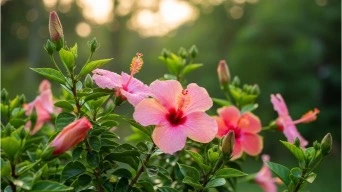
So, can hibiscus plants survive the winter?
Yes — with the right approach.
The key is knowing whether your hibiscus is tropical or hardy. Once you understand that, winter care becomes much simpler.
Protect tropical hibiscus indoors.
Let hardy hibiscus rest outdoors.
Adjust watering.
Be patient.
When spring arrives, your hibiscus will reward you with healthy growth and beautiful blooms — because you gave it the care it needed when it mattered most.
Our Authority Sources
- University of Minnesota Extension – Hibiscus Care
- Penn State Extension – Overwintering Perennials
- Royal Horticultural Society – Hibiscus Growing Guide
- Clemson Cooperative Extension – Hibiscus Care