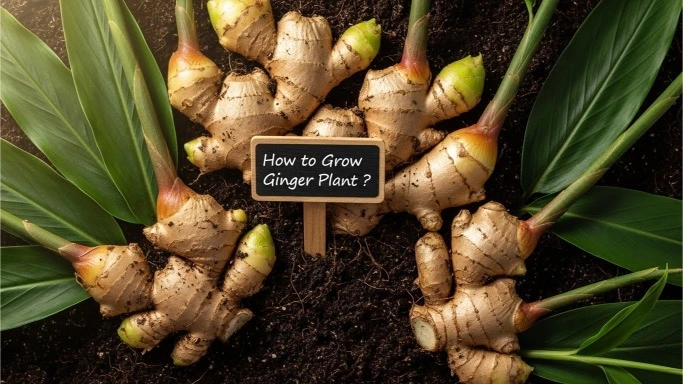
How do I grow ginger plants
Ginger isn’t just a spice. It’s a plant with personality. When it grows, it sends up elegant green stems that look like soft bamboo. It spreads quietly underground, creating new rhizomes—those knobby, fragrant ginger roots we love in meals, teas, and remedies.
For many people, ginger becomes more than a plant. It becomes a calming ritual.
- You water it once a week.
- You check its leaves as you sip morning tea.
- You watch it grow taller, then fuller.
- And finally, you pull fresh ginger from your own soil.
Growing ginger at home can feel grounding, comforting, and emotionally rewarding—especially if you love plants that “give back” with beauty and usefulness. If you enjoy the healing benefits of ginger (like digestion support and anti-inflammatory effects), this plant becomes even more meaningful.
And for all beginner gardeners: ginger is forgiving, patient, and surprisingly easy.
Let’s go step-by-step.
1. Understanding Ginger: How It Grows & What It Needs
Before you plant, it helps to understand the nature of ginger so you can support it the right way.
Ginger grows from a rhizome, not a seed.
Rhizomes are thick, root-like stems that grow horizontally underground. From each “eye” or bud on the rhizome, a new shoot can grow.
Ginger grows best when:
- The soil stays warm (70–90°F)
- The environment stays humid
- The plant gets bright, indirect light
- It has space to expand horizontally
- The soil stays lightly moist (never soggy)
Because of its tropical nature, ginger thrives in indoor environments, especially in colder climates. Outdoors, ginger prefers zones 9–12, or warm summers elsewhere.
Scientific note:
Research shows ginger grows best at soil pH 5.5–6.5 and steady warmth.
Now let’s talk about choosing the right ginger to plant.
2. What Kind of Ginger Should You Buy for Planting?
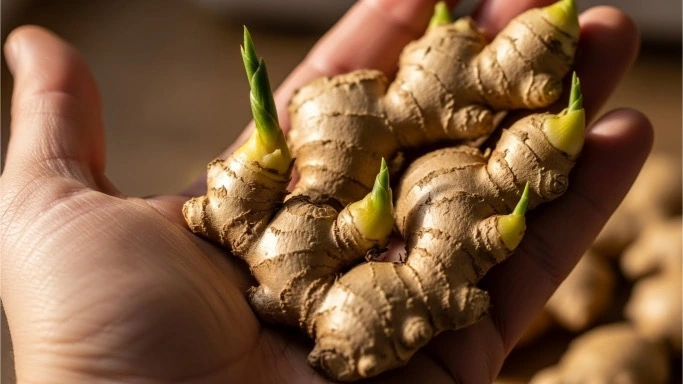
Great news: you can grow ginger from regular store-bought ginger as long as it is fresh, firm, and has “eyes” (small growth buds).
Choose rhizomes that:
- Are plump (not shriveled)
- Have visible eye buds
- Look tan or light brown
- Feel heavy for their size
If your store ginger has been treated with a growth inhibitor, it may sprout slowly. To avoid that problem, you can also buy certified organic ginger or ginger labeled for planting.
Tip:
If you let ginger sit on your counter for a few days, you may notice tiny green buds forming naturally. That’s the perfect planting stage.
3. How to Prepare Ginger Rhizomes Before Planting
Preparing ginger ensures faster sprouting and stronger growth.
Step 1: Soak the ginger
Soak your ginger rhizomes in warm water for 2–4 hours to remove any inhibitors and rehydrate the plant.
Step 2: Cut into smaller pieces (optional)
If your rhizome is large, you can cut it into pieces around 1.5 to 2 inches long.
Make sure each piece has at least one eye.
Let the pieces dry for 24 hours to help the cut surfaces seal.
Step 3: Pre-sprouting (optional but helpful)
Place rhizomes in a warm, semi-lit area for a few days.
Sprouts usually appear within 3–10 days.
This step helps beginners succeed faster.
4. Growing Ginger Indoors (Best Year-Round Method)
Indoor ginger growing gives you control over light, warmth, and moisture—basically everything ginger loves.
Here’s how to do it step-by-step.
4.1 Choose the Right Pot
Ginger spreads sideways, not downward.
Choose:
- A wide pot (12–16 inches wide)
- At least 10–12 inches deep
- Drainage holes at the bottom
Ceramic, plastic, or terracotta work well, but self-watering pots are especially helpful.
4.2 Best Soil Mix for Indoor Ginger
Ginger likes loose, rich, well-draining soil.
Use:
- 50% potting soil
- 25% coconut coir or peat
- 25% compost or worm castings
This creates a light, fluffy mix ginger loves.
pH note:
Ginger prefers soil pH 5.5–6.5 (slightly acidic).
4.3 How to Plant Ginger Indoors
- Fill your wide pot with soil ⅔ full.
- Place rhizome pieces eye side up.
- Cover with 1–2 inches of soil.
- Water gently but thoroughly.
- Place the pot in bright, indirect sunlight.
Ginger does not like direct sun indoors—it causes leaf burn and stress.
4.4 Light Requirements for Indoor Ginger
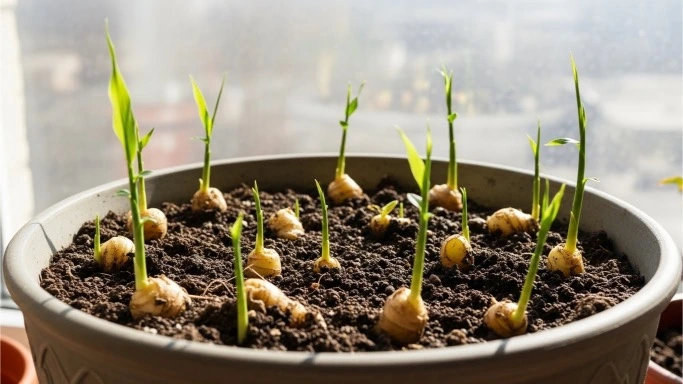
- 4–6 hours of bright, indirect light daily
- East-facing or north-facing windows are ideal
- Avoid harsh southern window exposure
If you need supplemental light, choose a gentle LED grow light (not intense), placed 12–18 inches above the plant.
4.5 Watering Ginger Indoors
Ginger loves moisture but hates soggy soil.
Follow this rhythm:
- Water when the top 1 inch of soil feels dry.
- Keep the soil lightly moist—not drenched.
- Mist the leaves once or twice weekly for humidity.
Ginger grows strongest in stable humidity levels (around 50–60%).
4.6 Fertilizing Indoor Ginger
Every 3–4 weeks, use a mild fertilizer like:
- Liquid seaweed
- Fish emulsion
- A balanced 10-10-10 fertilizer
Go gentle—ginger prefers slow, steady feeding.
4.7 How Long Until You See Growth Indoors?
Sprouts appear in 2–6 weeks depending on temperature.
Ginger grows slowly in its early weeks, then becomes fuller over time.
4.8 Indoor Ginger Troubleshooting
Yellow leaves
Usually from:
- Overwatering
- Poor drainage
- Too much direct sunlight
Brown tips
Often caused by low humidity.
Slow growth
Ginger prefers warmth. Keep the room above 70°F.
If your indoor environment stays cold, consider placing the pot in a warmer spot or adding a heating mat during winter.
5. Growing Ginger Outdoors (Warm Weather Method)
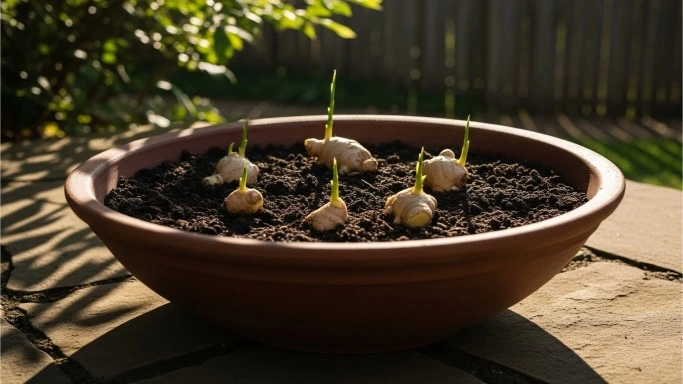
If you live in a warm climate or grow ginger during summer, outdoor growing is highly rewarding.
5.1 When to Plant Ginger Outdoors
Plant ginger after the last frost when soil reaches at least 70°F.
Ginger needs:
- Long growing seasons
- Warm soil
- Moisture
- Partial shade
If summers are hot where you live, ginger will thrive.
5.2 Best Outdoor Location
Choose a spot with:
- Dappled sunlight
- Morning sun + afternoon shade
- Protection from harsh direct light
- Moist, fertile, well-drained soil
Ginger naturally grows on the forest floor in tropical environments with filtered light.
5.3 Outdoor Soil Requirements
Outdoor soil should be:
- Rich
- Slightly acidic
- Loamy
- Well-draining
- High in organic matter
You can amend soil with compost or aged manure for best results.
5.4 Watering Ginger Outdoors
Water deeply once or twice weekly, depending on rainfall.
Ginger must stay consistently moist but never waterlogged.
Mulching helps retain soil moisture and prevent overheating.
5.5 Outdoor Ginger Growth Timeline
- Month 1–2: Sprouts appear
- Month 3–4: Leaves grow tall
- Month 5–6: Rhizomes expand
- Month 8–10: Ginger is ready for harvest
Ginger can stay in the ground longer if you prefer larger rhizomes.
6. Can You Grow Ginger From Store-Bought Ginger? Yes — and Here’s How
This is one of the most common questions beginners ask.
Yes, ginger from the supermarket will grow beautifully as long as it:
- Has visible “eyes” (growth buds)
- Is fresh and firm
- Isn’t moldy
- Hasn’t been irradiated
Organic ginger sprouts most reliably.
Just follow the soaking instructions and plant the same way.
7. How to Harvest Ginger (Indoors + Outdoors)
You can harvest ginger in two ways: partial harvest and full harvest.
7.1 Partial Harvest (Best for Indoor Pots)
After 4–6 months:
- Gently dig into one side of the pot.
- Cut off a small piece of rhizome.
- Cover the remaining roots with soil.
The plant continues growing without harm.
7.2 Full Harvest (Outdoors or End-of-Season)
After 8–10 months:
- Dig up the entire plant.
- Shake off soil.
- Rinse and cut ginger into rhizomes.
- Save pieces with eyes for replanting.
Fresh ginger is more fragrant and juicy than store-bought varieties.
8. Ginger Varieties You Can Grow at Home
There isn’t just one type of ginger—here are the most popular varieties for home growing.
8.1 Common Ginger (Zingiber officinale)
Best for cooking and wellness. Mild, fragrant, widely available.
8.2 Yellow Ginger
Stronger flavor, great for teas, soups, and cold cures.
8.3 Blue Hawaiian Ginger
Beautiful bluish interior, very aromatic.
8.4 Baby Ginger
Harvested early; tender, delicate, and perfect for pickling.
9. Problems You May Encounter (And Simple Fixes)
Here’s how to solve common ginger issues:
9.1 Moldy Soil
Cause: Overwatering
Fix: Improve drainage + reduce watering frequency
9.2 No Sprouts After 6 Weeks
Cause: Rhizome too old or too cold
Fix: Move to warmer spot + check soil temperature
9.3 Brown Leaf Tips
Cause: Low humidity
Fix: Mist more often or use a humidity tray
9.4 Yellowing Leaves
Cause: Watering issues or direct sunlight
Fix: Adjust water + move to indirect light
10. Growing Ginger for Wellness: Why It’s Worth It
Ginger is more than a decorative plant—it can support wellness and make your environment feel more healing.
Fresh ginger is known for:
- anti-inflammatory effects
- digestive support
- immune comfort
- soothing nausea
- calming warm aroma during harvest
Source : Read this study about Anti-Oxidative and Anti-Inflammatory Effects of Ginger in Health and Physical Activity. This makes ginger a natural fit for connecting plant care with personal well-being.
Frequently Asked Questions (FAQ): Growing Ginger Indoors or Outdoors
1. How long does it take for ginger to grow?
Ginger grows slowly, so expect visible sprouts in 2–6 weeks.
A full harvest usually takes 8–10 months, but you can begin partial harvesting in 4–6 months if you grow ginger indoors.
2. Can I grow ginger from grocery store ginger?
Yes, you can. Store-bought ginger grows well as long as the rhizome is firm, fresh, and has at least one eye bud. Organic ginger usually sprouts faster because it hasn’t been treated with growth inhibitors.
3. Does ginger grow better indoors or outdoors?
Both work well—just in different ways.
- Indoors: You get stable warmth, humidity, and year-round growing.
- Outdoors: Growth is faster if your climate is warm and humid.
If you live in a cooler climate, growing ginger indoors gives you better results.
4. How often should I water ginger plants?
Water ginger when the top 1 inch of soil feels dry. It prefers lightly moist soil, not soggy conditions. Overwatering can cause rot, while underwatering slows growth.
5. What kind of light do ginger plants need?
Ginger grows best in bright, indirect light. Direct sun indoors can burn the leaves.
Outdoors, ginger prefers morning sun and afternoon shade or dappled light similar to a forest-floor environment.
6. What type of soil is best for ginger?
Use loose, well-draining soil rich in organic matter. A mix of potting soil, coconut coir, and compost works well. Ginger prefers slightly acidic soil (around pH 5.5–6.5).
7. Does ginger need a wide pot or a deep pot?
A wide pot is more important because ginger spreads horizontally. Choose a container that’s at least 12–16 inches wide and 10–12 inches deep.
8. Why are my ginger leaves turning yellow?
Yellow leaves usually mean:
- Too much sun
- Overwatering
- Poor drainage
- Aging leaves
Move your plant to a softer light and check the soil’s moisture level.
9. How do I know when ginger is ready to harvest?
You can harvest ginger early (at 4–6 months) for tender baby ginger.
For fully mature ginger, wait 8–10 months or until the plant’s leaves start to fade or dry slightly near the end of the season.
10. Can ginger survive winter outdoors?
Only in warm climates (zones 9–12).
If you live in a colder area, bring ginger indoors before temps drop below 50°F, or grow it indoors from the start.
11. What pests affect ginger plants?
Ginger is fairly pest-resistant, but it can sometimes attract:
- Aphids
- Fungus gnats
- Spider mites
Use neem oil or insecticidal soap and improve airflow around the pot.
12. How can I make ginger grow faster?
For faster growth:
- Keep soil warm (above 70°F)
- Maintain steady moisture
- Use a wide pot for horizontal spreading
- Feed every 3–4 weeks with a gentle fertilizer
- Provide humidity (mist the leaves or use a humidity tray)
13. Can ginger grow in water alone?
Ginger can sprout in water, but it won’t grow fully or form strong rhizomes. Once sprouted, it must be transferred to soil for long-term growth.
14. Is growing ginger indoors messy?
Not at all. Ginger grows upright, stays compact, and doesn’t shed much. As long as the pot drains well, it remains clean and low-maintenance.
15. What’s the easiest way to start growing ginger for beginners?
Use a wide pot, plant a fresh rhizome with eye buds, give it indirect light, and water weekly. Ginger is a slow-growing plant, but it’s incredibly forgiving, making it perfect for beginners.
The Takeaway: Growing Ginger Makes Your Home Feel Warm, Grounded, and Alive
Growing ginger indoors or outdoors isn’t just a gardening project—it becomes a calming ritual that fits beautifully into everyday life. Ginger teaches you patience, rewards you with new shoots over time, and then gives you something useful and healing at harvest.
It’s forgiving.
It’s beautiful.
It’s practical.
It fills your home with warm, positive energy.
Start with a single pot.
Place it somewhere it can stretch and grow.
Give it gentle care week by week.
Soon, you’ll see shoots, then tall stems, then new rhizomes forming quietly below the surface.
And one day, you’ll pull up your own fresh ginger and realize you didn’t just grow a plant—you grew something meaningful in your home and in yourself.
Your ginger journey starts with one rhizome. Plant it, and let the process surprise you.
More articles on how to grow plants? check here