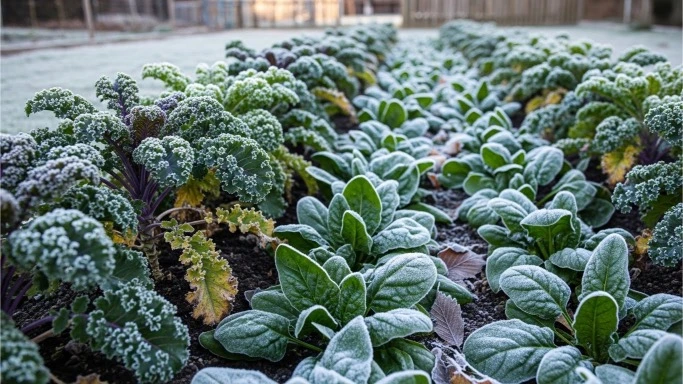
When winter arrives, many gardeners assume outdoor growing is over. The soil feels cold. Days are short. Plants look dormant. It’s easy to believe nothing can grow until spring.
But that’s not the full story.
Depending on your climate and the plants you choose, you can still grow outdoors in winter. Some plants actually prefer cool temperatures. Others grow slowly but steadily through cold months. And a few are surprisingly tough, even when frost shows up.
If you’ve been wondering what you can still grow outdoors in winter, this guide will show you five reliable plants that handle cold weather well — plus how to grow them without frustration.
Winter gardening is quieter, slower, and simpler. And that’s part of what makes it enjoyable.
What Makes a Plant Winter-Hardy?
Not all plants can handle winter, but the ones that do usually share a few traits:
- They tolerate cool or freezing temperatures
- They grow well in short daylight hours
- They don’t need warm soil to germinate
- They recover easily after light frost
- They grow slowly and steadily, not aggressively
Many winter plants are leafy greens, herbs, or cold-season vegetables. They don’t rush. They take their time.
Know Your Climate Before You Plant
Before planting anything outdoors in winter, it’s important to understand your climate zone.
Ask yourself:
- Do temperatures drop below freezing?
- Do you get snow or heavy frost?
- Is your winter mild, cool, or harsh?
Gardeners in mild winter areas can grow more varieties outdoors. Colder regions can still grow winter plants with protection like mulch, row covers, or cold frames.
For general winter planting guidance, the University of Minnesota Extension offers helpful cold-season gardening advice:
What You Can Still Grow Outdoors in Winter – 5 Plants You’ll Love
These five plants are dependable, beginner-friendly, and well-suited to winter conditions in many regions.
1. Kale
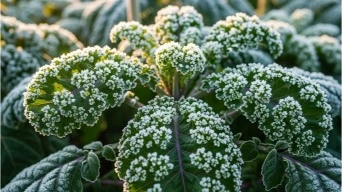
Kale is one of the most reliable winter vegetables you can grow.
Why kale loves winter
- Frost improves its flavor
- Leaves become sweeter in cold weather
- Grows well in cool temperatures
- Survives light snow and repeated frost
Kale can handle temperatures down to the low 20s°F (-6°C), especially when mulched.
How to grow kale in winter
- Plant in late fall or early winter (climate-dependent)
- Choose a sunny outdoor spot
- Mulch heavily around the base
- Harvest outer leaves as needed
Kale grows slowly in winter, but it keeps producing.
Penn State Extension confirms kale’s cold tolerance.
2. Spinach
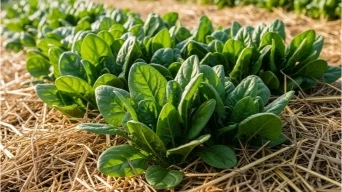
Spinach is another winter favorite, especially in mild climates.
Why spinach works in winter
- Germinates in cool soil
- Tolerates frost
- Grows low to the ground (wind protection)
- Perfect for winter salads and cooking
Spinach can survive temperatures as low as 20°F (-6°C) with protection.
Winter spinach tips
- Use mulch or straw for insulation
- Water lightly but consistently
- Harvest leaves regularly to encourage growth
Spinach often looks small in winter, but it survives quietly and rebounds fast when days lengthen.
3. Garlic
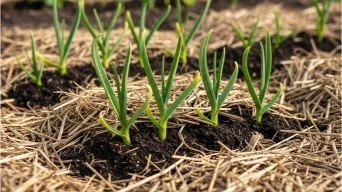
Garlic is one of the easiest winter crops because it needs winter cold.
Why garlic is perfect for winter
- Requires cold exposure to form bulbs
- Grows roots before freezing
- Stays dormant above ground during winter
- Explodes with growth in spring
Garlic is planted in fall and harvested in late spring or early summer.
How to plant garlic for winter
- Plant individual cloves, pointed side up
- Cover with several inches of mulch
- Leave it alone until spring
The University of Minnesota Extension explains why garlic needs winter cold:
4. Carrots
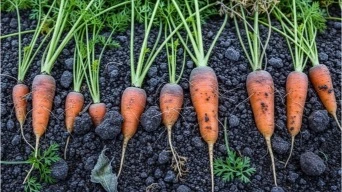
Carrots are tougher than they look.
Why carrots survive winter
- Roots stay protected underground
- Cold temperatures improve sweetness
- Soil insulates them naturally
In many climates, carrots can overwinter in the ground and be harvested as needed.
Winter carrot tips
- Plant early enough for roots to form
- Mulch heavily to prevent freezing solid
- Harvest slowly through winter
Carrots grown in winter often taste sweeter than summer carrots.
5. Rosemary (In Mild Winter Areas)
Rosemary can grow outdoors in winter if your climate is mild.
Why rosemary works (sometimes)
- Evergreen herb
- Tolerates cool temperatures
- Thrives in well-drained soil
Rosemary struggles in harsh winters but survives well in Zones 8–10.
How to protect rosemary
- Plant in raised beds or containers
- Ensure excellent drainage
- Cover during cold snaps
If winters are harsh where you live, rosemary does better as an indoor plant. You can learn more about indoor herb care in our article How to Grow Herbs Indoors on LovedPlants.com.
Royal Horticultural Society guidance on rosemary.
What About Flowers in Winter?
Some flowers survive winter outdoors, but most slow down significantly.
Hardy flowers like pansies and violas can survive mild winters. In colder climates, flowering usually pauses until spring.
If you enjoy winter blooms indoors, you may also like our article What Are the Best Plants for Christmas? on LovedPlants.com.
How to Protect Outdoor Plants in Winter
Even hardy plants benefit from protection.
Mulching
Mulch insulates soil and roots. Use straw, leaves, or bark.
Row Covers
Light fabric covers protect plants from frost while allowing light in.
Cold Frames
Cold frames create mini greenhouses and extend growing seasons.
Clemson Cooperative Extension provides clear winter protection tips.
Common Winter Gardening Mistakes to Avoid
- Overwatering (plants grow slowly)
- Leaving soil bare
- Expecting fast growth
- Ignoring drainage
- Planting too late for roots to establish
Winter gardening rewards patience, not speed.
Why Winter Gardening Is Worth It
Winter gardens feel different. They’re quieter. Slower. Less demanding.
You spend more time observing and less time reacting. Plants grow at their own pace. And when spring arrives, your garden is already alive.
At LovedPlants.com, we believe winter is not an ending — it’s a pause that still holds growth.
Short FAQ: Growing Outdoors in Winter
Can anything really grow outdoors in winter?
Yes. Many cold-season plants thrive in cool weather.
Do winter plants need full sun?
Sun helps, but most winter plants tolerate lower light.
Should I water plants in winter?
Yes, but less often. Soil should not stay soggy.
Can snow damage winter plants?
Light snow often insulates plants and protects them.
Is winter gardening beginner-friendly?
Yes. Many winter plants are low-maintenance.
The Takeaway
So, what can you still grow outdoors in winter? More than you might think.
Kale. Spinach. Garlic. Carrots. Even rosemary in the right climate.
Winter gardening doesn’t look like summer gardening. It’s slower. Quieter. More intentional. But it’s incredibly rewarding.
With the right plants and a little protection, your outdoor space can stay productive all winter long — and be ready for spring before you even realize it.