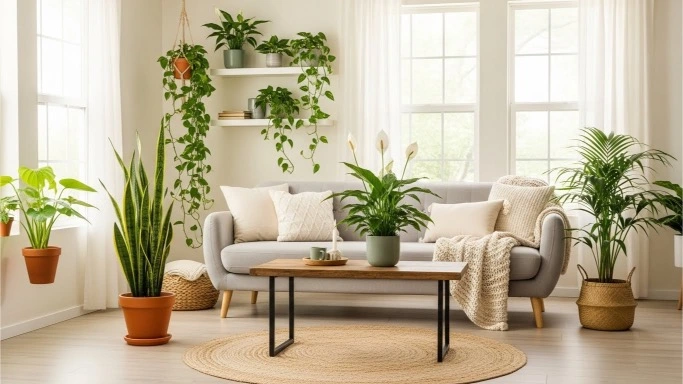
Plants for positive energy
Have you ever walked into a room and immediately felt lighter, calmer, or simply better—even if you couldn’t explain why?
Most people think that feeling comes from décor or lighting, but in many homes, it actually comes from the plants quietly transforming the atmosphere.
There’s something deeply comforting about living greenery. Plants aren’t loud. They don’t demand attention. They simply sit in the corner, or by the window, doing a quiet and powerful job: refreshing the air, lifting your mood, grounding your emotions, and making your home feel more alive.
And no, this isn’t just a “plant-lover fantasy.” Research backs it up. Studies show that indoor plants can reduce stress levels, support focus, lower tension, and boost emotional well-being in noticeable ways (and we’ll break that down in this post).
But beyond the science, plants give you something even more valuable:
They add presence and peaceful energy to your home.
In this guide, we’ll explore the best plants for positive energy, why they work, and how to choose the right ones to make your home feel lighter, happier, and more balanced.
Let’s make your home a place that makes you feel good every time you walk in.
1. Why Plants Shift Your Home’s Energy (The Science + The Emotion)
When people talk about “good energy,” they often mean:
- calmness
- comfort
- emotional grounding
- balance in the space
- an uplifting atmosphere
- a home that feels good to walk into
Plants influence all of these. Here’s how:
1.1 Plants reduce stress and calm your nervous system
Research from the Journal of Physiological Anthropology found that simply being around indoor plants helps reduce stress and lowers sympathetic nervous system activity.
In simple words: plants help your body relax.
1.2 Plants improve air quality — and cleaner air means clearer energy
A NASA study (yes, NASA) found that indoor plants help purify indoor air by absorbing toxins and releasing fresh oxygen.
Fresh air = light, positive-feeling space.
1.3 Plants improve focus and emotional balance
Another study found that interacting with plants (watering, touching leaves, trimming) can reduce negative emotions while boosting comfort and natural calm.
Positive energy isn’t only about the environment — it’s also about you, and caring for plants is incredibly grounding.
1.4 Plants help you create a home that reflects who you want to be
A happier home isn’t made of perfect furniture or trending décor.
It’s made of the small choices you repeat every day: a cup of tea in your favorite chair, a little sunlight through the window, and the quiet, healthy, green life you choose to bring inside.
Plants help you design a life that feels intentional.
And now — let’s talk about which plants do the job best.
2. The Best Plants for Positive Energy — and What Each One Brings to Your Home
This list includes plants known for their emotional, aesthetic, and scientific benefits. It also includes easy-care plants, because positive energy should never feel stressful.
Each plant below is chosen for its ability to:
- uplift your mood
- brighten a room
- reduce stress
- clean the air
- create peaceful surroundings
Let’s explore them, one by one.
2.1 Snake Plant (Sansevieria) — “The Air Purifier”
Snake plants are famously one of the easiest plants to grow.
They tolerate low light, inconsistent watering, and neglect — and still look bold and upright.
Why It Boosts Positive Energy:
- Cleans indoor air powerfully
- Releases oxygen at night
- Gives your space a structured, grounded feeling
Where to Place It:
Bedrooms, living rooms, entryways.
Fun emotional meaning:
Snake plants symbolize resilience and “quiet strength” — perfect if you want steady, supportive energy in your home.
2.2 Peace Lily — “The Peace Bringer”
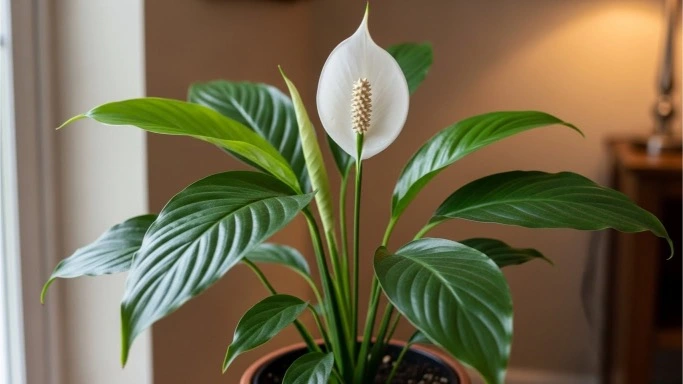
Its name says everything.
Peace lilies are known for their lush green leaves and elegant white flowers that give your home a spa-like calm.
Why It Boosts Positive Energy:
- Helps remove toxins
- Symbolizes harmony, peace, and emotional renewal
- Adds softness to any corner
Where to Place It:
Living rooms, bedrooms, meditation corners.
2.3 Lavender — “The Emotional Healer”
Lavender isn’t just a plant. It’s a whole mood.
Why It Boosts Positive Energy:
- Its scent is scientifically shown to help anxiety and sleep
- Gives your home a natural aromatherapy effect
- Soft purple tones add warmth
Where to Place It:
Near sunny windows, bedrooms, kitchen counters.
Lavender is one of the best plants for emotional cleansing.
2.4 Lucky Bamboo — “The Good Fortune Symbol”
Lucky Bamboo is a classic feng shui plant believed to bring good luck, harmony, and mental clarity.
Why It Boosts Positive Energy:
- Symbol of luck, growth, and stability
- Thrives in water, very easy to care for
- Great for small apartments or offices
Where to Place It:
Desks, entryways, kitchen, bookshelf corners.
2.5 Aloe Vera — “The Healing Plant”
Aloe is an emotionally supportive plant and a physically healing one.
Why It Boosts Positive Energy:
- Helps purify air
- Supports emotional calm with slow-growing energy
- Offers healing gel for burns and skin irritation
Where to Place It:
Kitchens, bright windows, living rooms.
2.6 Jade Plant — “The Prosperity Plant”
In many cultures, jade plants symbolize abundance, wealth, and flourishing growth.
Why It Boosts Positive Energy:
- Thick green leaves feel abundant
- Adds a grounded, stable emotional tone
- Very long-lived
Where to Place It:
Workspaces, money corners, entryway tables.
2.7 Rosemary — “The Cleansing Plant”
Rosemary is both a culinary herb and an emotional reset button.
Why It Boosts Positive Energy:
- Boosts focus and mental clarity
- Helps relieve fatigue
- Cleanses the air with a refreshing scent
Where to Place It:
Kitchen, desk, sunny windows.
2.8 Orchids — “The Mood Lifter”
Orchids make rooms feel elegant and loved.
Why It Boosts Positive Energy:
- Soft colors encourage calm and balance
- Long-lasting blooms uplift mood
- Symbol of beauty, affection, and emotional growth
Where to Place It:
Bedrooms, dining rooms, reading corners.
2.9 Pothos — “The Easy Energy Booster”
Pothos is one of the best plants for absolute beginners.
Why It Boosts Positive Energy:
- Fast-growing vines create movement and life
- Very forgiving — brings ease to the home
- Good air purifier
Shelves, cabinets, hanging baskets.
2.10 Rosemary, Basil & Mint Trio — “The Kitchen Energy Set”
Growing herbs in your kitchen adds fresh fragrance and uplifting energy to your daily routine.
Why They Boost Positive Energy:
- Basil encourages clarity
- Mint refreshes and energizes
- Rosemary improves focus
Where to Place It:
Where to Place Them:
Kitchen counters, sunny windows, dining table arrangements.
3. How to Arrange Your Plants for The Best Positive Energy
Choosing plants is one thing.
Placing them correctly is what creates harmony.
Here’s how to design a happy home with intentional, mood-supportive plant placement.
3.1 Place calming plants in your bedroom
Great options:
- Lavender
- Peace lily
- Snake plant
They help with sleep, breathing, and emotional relaxation.
3.2 Use uplifting plants in your living room
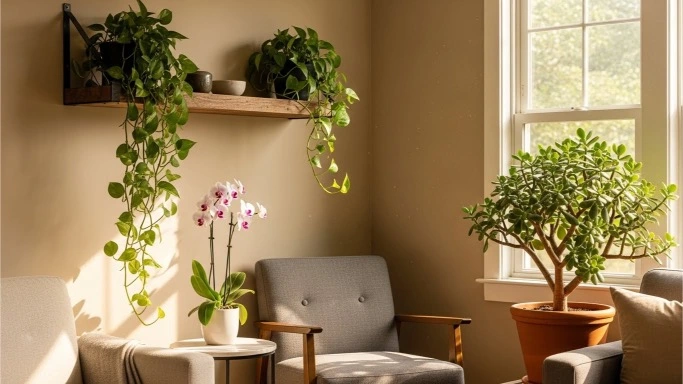
Best choices:
- Orchids
- Pothos
- Jade plant
- Aloe vera
These brighten the space and create movement and social energy.
3.3 Add herbs and energizers to your kitchen
Best choices:
- Basil
- Mint
- Rosemary
- Aloe for burns
This keeps your kitchen smelling vibrant and full of healthy energy.
3.4 Give your entryway a plant that “greets” you
Lucky Bamboo, Jade Plant, or a Peace Lily work beautifully.
Your entryway energy sets the mood for the whole home.
3.5 Put a plant near your workspace
Choose plants that support clarity and focus:
- Rosemary
- Lucky Bamboo
- Snake plant
This helps your workday feel lighter and more balanced.
4. How Caring for Plants Boosts Your Own Energy
This part matters deeply.
Positive energy isn’t only something you receive from plants — it’s also something you create by interacting with them.
Watering your plants once or twice a week, wiping a leaf, checking soil, or trimming a vine — these tiny acts bring:
- calmness
- presence
- mindfulness
- emotional grounding
- a sense of nurturing
Caring for a plant is caring for a living thing that depends on you gently, quietly, and consistently.
And that relationship changes how you feel inside your own home.
5. Common Mistakes That Block Positive Energy (And How to Fix Them)
You don’t need perfection — but you do need awareness.
Here are the key mistakes to avoid:
5.1 Overcrowding plants
Crowded plants create visual stress.
Choose intentional placement.
5.2 Keeping dying plants
It’s okay to compost a plant that no longer thrives.
Release the old to invite the new.
5.3 Ignoring light needs
A plant in the wrong light struggles — and that energy fills the room.
5.4 Overwatering
Most “bad energy” from plants comes from soil fungus caused by too much water.
Water only when soil is dry.
5.5 Using artificial plants everywhere
Artificial plants can be pretty, but they don’t contribute to emotional wellness or air quality.
You want life in your living space.
Final Thought: Your Home Can Feel Happier — One Plant at a Time
Positive energy doesn’t come from expensive furniture or complicated routines.
It comes from small, meaningful choices that make your home feel like a place you want to be.
A single snake plant in the corner.
A little lavender near your bed.
Fresh herbs growing by the window.
A peaceful orchid on your table.
Plants give your home texture, comfort, life, and emotional grounding.
And as you care for them, they quietly care for you.
If you’re ready to start building a happier home, begin with just one plant from this list.
Then another when you’re ready.
Before you know it, your home won’t just look alive — it will feel alive.
Our Authority Sources
- Indoor Plants in Human Well-Being and Health: A Review of Benefits
https://www.ncbi.nlm.nih.gov/pmc/articles/PMC4419447/ - NASA Clean Air Study: Interior Landscape Plants for Indoor Air Pollution Abatement
https://ntrs.nasa.gov/citations/19930073077 - Lavender Aromatherapy and Stress Reduction — Clinical Findings
https://www.ncbi.nlm.nih.gov/pmc/articles/PMC3612440/ - Environmental Psychology: How Natural Elements Influence Mood
https://www.sciencedirect.com/science/article/abs/pii/S0272494425002853 - The Psychological Benefits of Nature Exposure and Indoor Greenery
https://www.mdpi.com/1999-4907/14/3/497