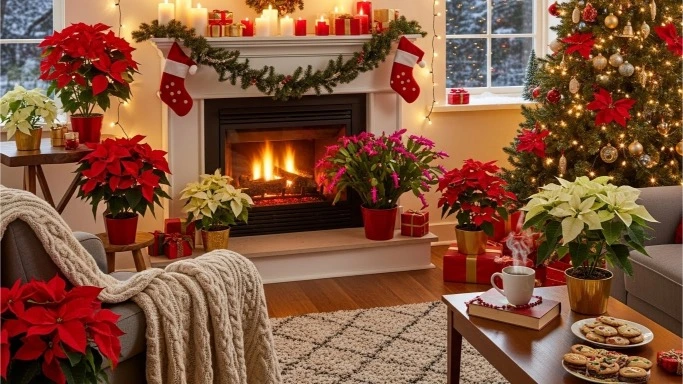
Christmas is a season filled with lights, warmth, and small traditions that make a home feel special. While decorations and candles help set the mood, plants are what truly bring life into the space. They add color, softness, and a feeling of care that artificial décor can’t replace.
Many people ask the same question every year:
What are the best plants for Christmas?
The answer depends on what you’re looking for. Some plants are classic holiday symbols. Others are easy to care for during winter. Some bring fragrance, while others add calm greenery that lasts long after the holidays end.
In this guide, we’ll walk through the best Christmas plants for homes and apartments, how to care for them, and how to choose the right one for your space — without stress or guesswork.
What Makes a Plant a “Good” Christmas Plant?
The best plants for Christmas usually share a few qualities:
- They tolerate indoor winter conditions
- They look festive or meaningful during the season
- They don’t require intense sunlight
- They handle dry winter air better than most plants
- They bring beauty without complicated care
Some are seasonal stars. Others are quiet companions that keep your home green all winter.
The Best Plants for Christmas (Classic + Long-Lasting)
Let’s start with the most loved and reliable Christmas plants.
1. Poinsettia
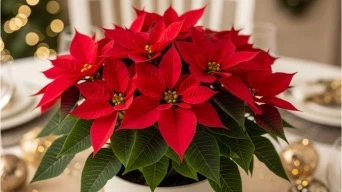
Poinsettias are the most iconic Christmas plant — and for good reason.
Why poinsettias are perfect for Christmas:
- Deep red and green colors match holiday décor
- Compact and apartment-friendly
- Affordable and widely available
- Can live well beyond the holidays with proper care
Despite the myth, poinsettias are not disposable plants. With proper light and watering, they can stay healthy for months.
You can learn more in our detailed guide: How to Keep Your Poinsettia Plant Christmas Flower Alive.
2. Christmas Cactus
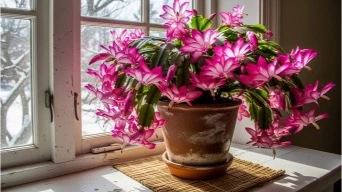
The Christmas cactus is a favorite for good reason.
Why it’s a great Christmas plant:
- Blooms naturally in winter
- Produces pink, red, or white flowers
- Thrives in bright, indirect light
- Can live for decades with basic care
Unlike desert cacti, Christmas cacti prefer regular watering and humidity.
They’re ideal for windowsills and tables where sunlight is gentle.
3. Norfolk Island Pine
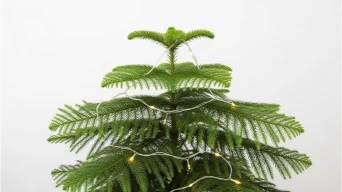
If you love the look of a Christmas tree but don’t want needles everywhere, this is a beautiful alternative.
Why it works well at Christmas:
- Looks like a soft, living mini Christmas tree
- Stays green year-round
- Grows slowly indoors
- Adds height without taking much floor space
Decorate it lightly with small ornaments or lights for a natural holiday look.
4. Amaryllis
Amaryllis plants bring drama and elegance to Christmas spaces.
Why people love amaryllis at Christmas:
- Large, bold blooms
- Red, white, or striped flowers
- Easy to grow from bulbs
- Perfect for gifting
Amaryllis bulbs bloom indoors during winter with minimal effort, making them ideal for beginners.
5. Rosemary (Christmas Tree Style)
Rosemary isn’t just for cooking — it makes a wonderful Christmas plant.
Why rosemary is a great holiday plant:
- Can be shaped like a mini tree
- Smells fresh and comforting
- Adds greenery to kitchens
- Can be used in holiday recipes
Rosemary prefers bright light, so place it near a sunny window.
6. Holly (Indoor or Sheltered Areas)
Holly is deeply tied to Christmas tradition.
Why holly works for the season:
- Glossy green leaves
- Bright red berries (on female plants)
- Strong symbolic meaning
Holly prefers cooler temperatures and bright light. It’s best for sunrooms or protected outdoor spaces.
7. Peace Lily
If you prefer subtle beauty over bold holiday colors, peace lilies are a wonderful choice.
Why peace lilies are good for Christmas:
- Elegant white blooms
- Thrive in low to medium light
- Improve indoor atmosphere
- Calm, balanced appearance
They work beautifully in living rooms and bedrooms.
Studies on indoor plants also show connection to well-being. Check this Source.
8. Cyclamen
Cyclamen plants bloom during winter and love cooler indoor temperatures.
Why cyclamen are ideal Christmas plants:
- Bright pink, red, or white flowers
- Compact size
- Thrive in cool rooms
- Perfect for tables and shelves
Keep cyclamen away from heat sources for best results.
9. Snake Plant (For Simple Greenery)
Not all Christmas plants need flowers.
Why snake plants are great during Christmas:
- Extremely low maintenance
- Tolerate low light
- Improve indoor air quality
- Look clean and modern
They pair beautifully with holiday décor and last all winter.
Read the NASA’s Clean Air Study.
10. Ivy (English Ivy or Swedish Ivy)
Ivy adds softness and movement to winter interiors.
Why ivy works for Christmas:
- Trails beautifully from shelves
- Tolerates lower light
- Pairs well with garlands and lights
- Creates a cozy, old-world feel
Use ivy sparingly and keep it trimmed for best appearance.
How to Choose the Right Christmas Plant for Your Home
Before buying, ask yourself:
- How much natural light do I get?
- Do I want flowers or greenery?
- How much time can I give to care?
- Do I want a plant just for the season, or long-term?
Small apartments often do best with compact plants like poinsettias, peace lilies, or snake plants.
Caring for Christmas Plants During Winter
Light
Most Christmas plants prefer bright, indirect light.
Water
Water less often in winter. Always check soil before watering.
Temperature
Keep plants away from:
- Drafty windows
- Fireplaces
- Heating vents
Humidity
Winter air is dry. Grouping plants helps increase humidity naturally.
Are Christmas Plants Safe for Pets?
Some Christmas plants can be mildly toxic.
According to the ASPCA:
- Poinsettias are mildly toxic
- Amaryllis bulbs are toxic if ingested
- Holly berries can cause irritation
If you have pets, place plants out of reach or choose pet-safer options like spider plants or palms.
Reference: ASPCA
Why Christmas Plants Matter More Than Décor
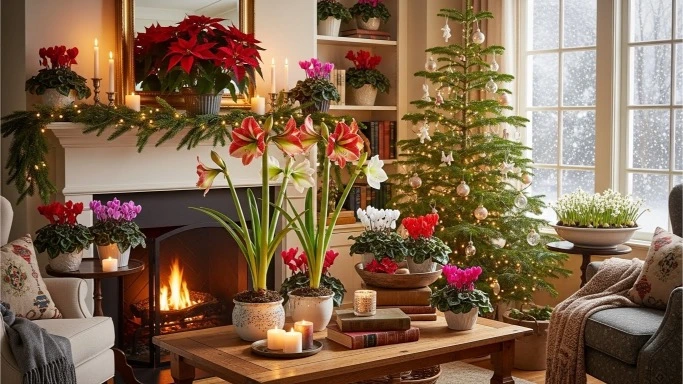
Plants bring life during a season when nature feels quiet. They soften winter interiors and make homes feel warmer and more welcoming.
At LovedPlants.com, we believe plants are more than decoration. They’re part of how a home feels — especially during the holidays.
Short FAQ: Best Plants for Christmas
What is the most popular Christmas plant?
Poinsettia.
What plants bloom naturally in winter?
Christmas cactus, amaryllis, cyclamen.
What Christmas plants last the longest?
Snake plant, peace lily, Norfolk Island pine.
Do Christmas plants need sunlight?
Yes, most prefer bright indirect light.
Can Christmas plants survive after the holidays?
Many can with proper care.
The Takeaway
There isn’t just one answer to what are the best plants for Christmas. The best choice depends on your space, light, and lifestyle.
Whether you choose a classic poinsettia, a blooming Christmas cactus, or a simple green snake plant, what matters most is choosing something you enjoy caring for.
Plants make Christmas feel warmer, calmer, and more alive — and that feeling doesn’t have to end when the decorations come down.
Our Authority Sources
- University of Minnesota Extension – Poinsettia Care
- Royal Horticultural Society – Christmas Houseplants
- ASPCA – Toxic and Non-Toxic Christmas Plants
- National Institutes of Health – Indoor Plants and Well-Being